
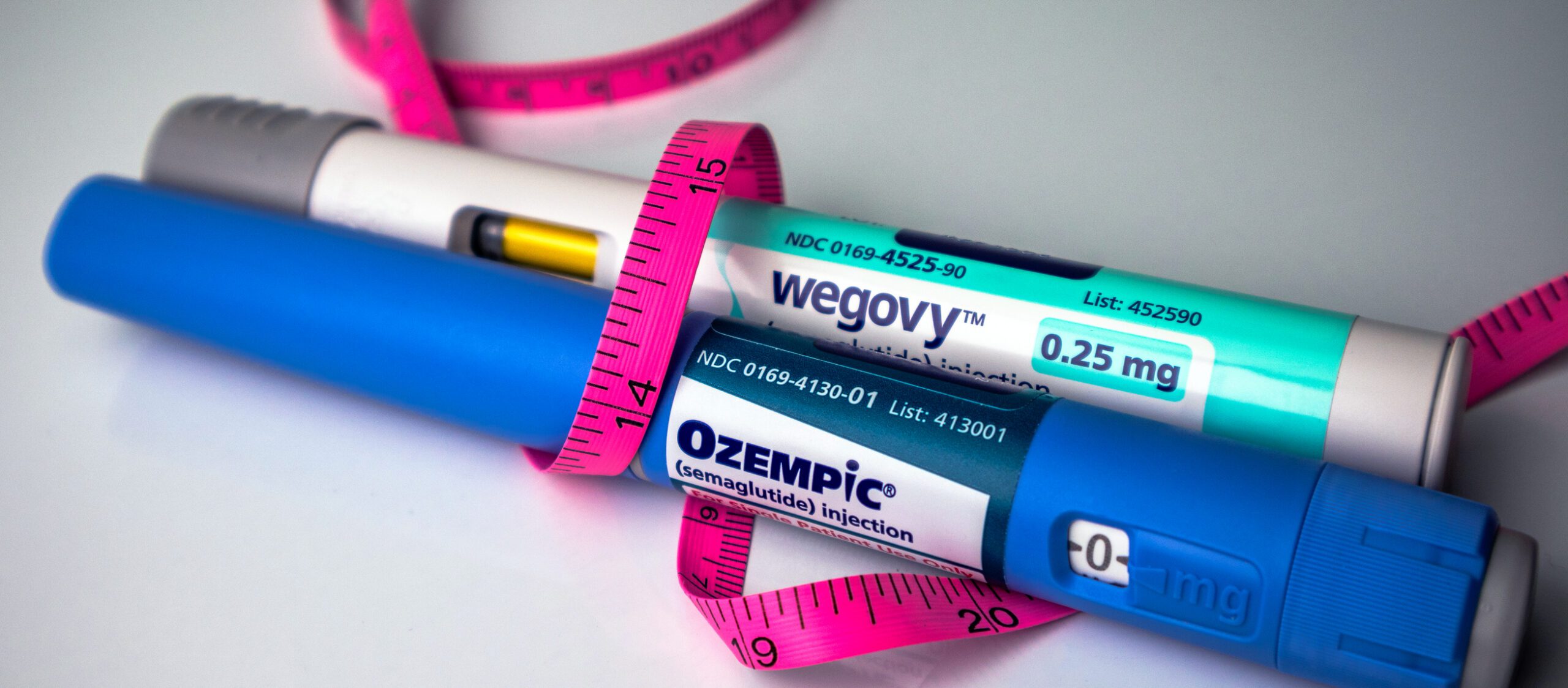
Originally developed to treat type 2 diabetes, GLP-1 medications have gained significant attention as effective treatments for obesity. As more patients use GLP-1 medications, community pharmacies are receiving more questions about coverage, cost, eligibility, and access. Staying informed about Medicare changes helps pharmacists answer these questions and better support their patients
As of July 1, 2026, the Centers for Medicare & Medicaid Services (CMS) launched the Medicare GLP-1 Bridge, a temporary program that gives eligible Medicare Part D beneficiaries access to select GLP-1 medications for weight management. CMS will use information gathered during the program to help guide future Medicare coverage decisions.
The demonstration is scheduled to run through December 31, 2027, giving pharmacies an opportunity to prepare their teams, workflows, and patient education strategies as demand for these medications continues to grow.
What is the Medicare GLP-1 Bridge Program?
The Medicare GLP-1 Bridge is a temporary CMS program that gives eligible Medicare Part D beneficiaries access to certain GLP-1 medications for weight management.
Historically, Medicare has not covered medications prescribed solely for weight loss because federal law excludes coverage of drugs used for weight-loss purposes. However, certain GLP-1 medications have been covered by Medicare for other approved indications, such as type 2 diabetes, when coverage requirements are met.
The Medicare GLP-1 Bridge provides a new pathway for eligible beneficiaries enrolled in qualifying prescription drug coverage, including stand-alone Medicare Part D plans and Medicare Advantage plans with prescription drug coverage (MA-PD).
Eligibility is based on CMS-defined clinical requirements, including BMI thresholds and certain qualifying health conditions. Prescribers are responsible for confirming eligibility and completing required documentation. Pharmacy teams should rely on program requirements and prescriber documentation rather than determining eligibility at the pharmacy counter
Key details
Program timeframe: July 1, 2026, through December 31, 2027
Eligible population: Medicare Part D beneficiaries enrolled in an eligible prescription drug plan who meet CMS eligibility criteria, including the program’s clinical requirements for weight management.
Patient cost: $50 monthly copayment
Benefit structure: The Medicare GLP-1 Bridge operates outside the standard Part D coverage and payment process. The $50 monthly copayment does not count toward the Part D deductible, TrOOP, or annual Part D out-of-pocket limit.
Understanding these details will help pharmacy teams answer patient questions and provide a smoother experience for beneficiaries navigating this new access pathway.
GLP-1 medications included
The GLP-1 medications included in the Medicare GLP-1 Bridge are:
- Wegovy® injection and tablet formulations
- Zepbound® KwikPen® formulation only
- Foundayo® tablets
These medications must be used according to CMS program requirements. Other formulations may not be included under the demonstration.
How the Medicare GLP-1 Bridge impacts community pharmacies
The Medicare GLP-1 Bridge creates new opportunities for community pharmacies to support patients beginning GLP-1 therapy. Patients may have questions about eligibility, Medicare coverage, costs, dosing, side effects, and how these The Medicare GLP-1 Bridge creates new opportunities for community pharmacies to support patients beginning GLP-1 therapy. Patients may have questions about eligibility, Medicare coverage, costs, dosing, side effects, and how these medications fit into their overall weight management plan.
By providing clear education and helping patients navigate the program, pharmacy teams can improve medication adherence, enhance the patient experience, and strengthen relationships with both patients and prescribers.
Preparing pharmacy workflows for the Medicare GLP-1 Bridge
Like many new healthcare initiatives, the Medicare GLP-1 Bridge Demonstration will introduce operational considerations for pharmacy teams.
Unlike traditional Part D claims, Bridge claims will be managed through a CMS-designated central processor responsible for prior authorization, claims adjudication, and payment to pharmacies.
Pharmacy teams should prepare by:
- Training staff: Ensure employees understand program requirements, included medications, and common patient questions.
- Supporting program coordination: Coordinate with prescribers, verify claim status, and help patients navigate required program steps.
- Reviewing claims workflows: Familiarize staff with Bridge claims submission, adjudication, and payment processes.
- Communicating clearly with patients: Explain that the program operates separately from traditional Part D coverage and that cost-sharing rules differ.
While these changes may require workflow adjustments, they also create opportunities for pharmacies to provide a higher level of patient support during a complex treatment journey.
Supporting patients and providers through GLP-1 therapy
The growing demand for GLP-1 medications gives community pharmacies an opportunity to strengthen relationships with local healthcare providers. By providing patient education, addressing access challenges, and supporting appropriate medication use, pharmacies can become valuable clinical partners.
GLP-1 medications often require ongoing counseling and support. Pharmacy teams can help patients:
- Understand how their medication works and what to expect
- Learn proper administration techniques
- Manage common side effects and know when to contact their provider
- Stay engaged during dose adjustments
- Understand the importance of nutrition, physical activity, and other lifestyle factors
These conversations represent some of the most valuable services pharmacies can provide beyond dispensing.
Looking beyond the Medicare GLP-1 Bridge
Although the Medicare GLP-1 Bridge is scheduled to conclude at the end of 2027, its impact may extend beyond the demonstration period. CMS has stated that the program is intended to collect data on GLP-1 utilization that may help inform future Medicare policy and coverage approaches.
For community pharmacies, the program is another reminder that healthcare continues to move toward more personalized, patient-centered medication support.
Pharmacies that invest in staff education, workflow readiness, and patient engagement will be better positioned to support patients as demand for complex therapies continues to grow.
What pharmacies can do now
To prepare for the Medicare GLP-1 Bridge, pharmacy teams should start:
- Training staff on program requirements, which medications are covered, and how to counsel patients on GLP-1s
- Reviewing workflows for claims submission and program coordination
- Establishing communication processes with local prescribers
- Preparing patient education resources related to GLP-1 therapy and medication use
- Identifying opportunities to provide additional clinical services and ongoing patient support
- Carefully review the CMS’s Information for Pharmacies and FAQS
The bottom line
The Medicare GLP-1 Bridge Demonstration expands access to GLP-1 medications while creating new opportunities for community pharmacies to support patients.
By understanding the program, educating patients, and helping them navigate coverage and treatment, pharmacies can improve the patient experience and reinforce their role as trusted healthcare partners.
Want to dive deeper into counseling patients on GLP-1 medications?
Check out our guide for a step-by-step approach to helping patients have the best outcomes from their medication regimen.
ABOUT THE AUTHOR

Michelle Barney, PharmD
Clinical Solutions Manager, Lumistry
Michelle Barney is a Clinical Solutions Manager at Lumistry, where she brings the practicing pharmacist’s perspective into the creation and evolution of pharmacy technology solutions. A clinical pharmacist by training, Michelle has built her career across retail pharmacy and health technology, including serving as Vice President of Clinical Operations at VUCA Health prior to its acquisition by Lumistry. She has held leadership roles spanning clinical operations, product, and marketing, and brings firsthand experience managing pharmacy teams and workflows. In her current role, Michelle partners closely with cross-functional teams to ensure Lumistry’s products are rooted in real-world pharmacy needs—helping pharmacies work more efficiently, confidently, and effectively in their day-to-day practice.