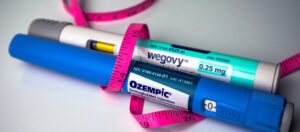

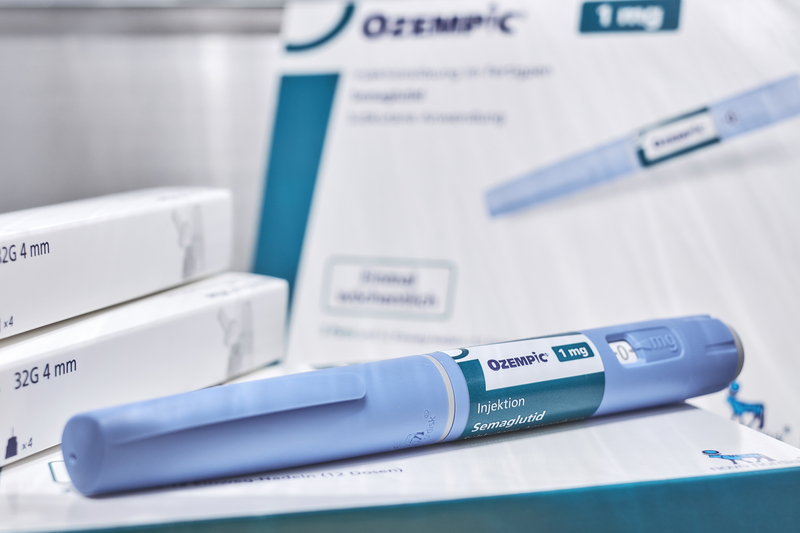
GLP-1 receptor agonists, such as semaglutide (sold under the brand names Ozempic and Wegovy), are rapidly becoming one of the most prescribed treatments for type 2 diabetes and weight loss.
As more patients begin GLP-1 therapy, pharmacists play a critical role in helping them manage side effects, stay adherent, and achieve better outcomes.
While these medications are highly effective, GLP-1 side effects—especially gastrointestinal issues—can lead to early discontinuation if not properly addressed.
Why managing GLP-1 side effects is critical for adherence
As GLP-1 medications become more widely used, adherence challenges are becoming more visible in real-world settings. Many patients start therapy motivated, but early side effects can quickly discourage continued use. This makes it essential for pharmacists to step in early with guidance, reassurance, and practical solutions.
GLP-1 medications work by:
- Slowing gastric emptying
- Reducing appetite
- Improving blood sugar control
These benefits support weight loss and glycemic control—but they can also cause side effects that impact daily life.
Common side effects of GLP-1 medications
Understanding the most common GLP-1 side effects allows pharmacists to proactively counsel patients and set realistic expectations. When patients know what’s normal—and how to manage it—they’re more likely to stay consistent with their therapy.
Gastrointestinal (GI) issues
The most frequently reported GLP-1 side effects impact the digestive system, especially during the first few weeks of therapy or after dose increases.
Common symptoms include:
- Nausea
- Vomiting
- Diarrhea
- Constipation
These symptoms can discourage patients from continuing treatment without proper guidance.
Dehydration
Dehydration is an often-overlooked side effect of GLP-1 therapy, but it can significantly impact how patients feel day to day. Reduced appetite and fluid intake—combined with GI symptoms—can quickly lead to imbalances if not addressed early.
GLP-1 medications can reduce both appetite and fluid intake, increasing the risk of dehydration.
Symptoms of dehydration include:
- Dizziness or lightheadedness
- Dry mouth or excessive thirst
- Dark urine or infrequent urination
- Fatigue or weakness
Muscle loss & nutrient depletion
While weight loss is often the goal of GLP-1 therapy, not all weight loss is beneficial. Without proper nutrition, patients may lose lean muscle mass and become deficient in key nutrients—impacting their overall health and long-term success.
- Reduced calorie intake can lead to:
- Loss of lean muscle mass
- Low protein intake
- Vitamin deficiencies (especially B vitamins and Vitamin D)
For patients using GLP-1s for weight loss, maintaining proper nutrition is essential for healthy, sustainable results.
How pharmacists can help patients with GLP-1 side effects
Discontinuation is one of the biggest barriers to achieving the full benefits of GLP-1 therapy. Many patients stop treatment prematurely due to side effects that could have been managed with the right support and education.
Studies show that around 37% of patients discontinue GLP-1 medications within a year due to side effects, with the rate rising to 50% for patients with obesity but not diabetes.
Pharmacists are one of the most accessible healthcare providers, making them uniquely positioned to help patients navigate GLP-1 therapy. From initial counseling to ongoing support, small interventions can make a significant impact on adherence and patient confidence.
1. Set expectations around side effects early
Many patients discontinue GLP-1 therapy because they aren’t prepared for how side effects may feel—especially during the first few weeks or after dose increases. Setting expectations upfront can reduce anxiety and prevent patients from stopping treatment prematurely.
Educate patients that:
- Gastrointestinal side effects are common early on
- Symptoms are typically temporary and improve over time
- Side effects are often more noticeable during dose escalation
- Providers can adjust dosing if symptoms become difficult to manage
2. Reinforce nutrition & hydration
Many GLP-1 side effects, including nausea, constipation, and dehydration, are directly influenced by eating and hydration habits. Pharmacists can provide simple, actionable guidance to help patients better tolerate therapy.
Encourage patients to:
- Eat smaller, more frequent meals to reduce nausea
- Avoid high-fat or heavy foods that can worsen GI symptoms
- Stay consistently hydrated throughout the day
- Include fiber-rich foods to support digestion and prevent constipation
- Prioritize protein intake to help prevent muscle loss
3. Recommend OTC products to manage GLP-1 side effects
Over-the-counter solutions can help patients manage symptoms and stay consistent with their medication. Pharmacists can guide patients toward the right options based on their specific side effects.
OTC recommendations to alleviate GLP-1 symptoms:
- Electrolytes: Help prevent and manage dehydration.
- Fiber supplements or stool softeners: Relieve constipation.
- Probiotics: Support digestion and gut health.
- Digestive enzymes: Reduce bloating and discomfort.
- Multivitamins: Help address potential nutrient gaps.
- Protein supplements: Support muscle preservation during reduced intake.
Follow-up check-ins to keep patients on track
Consistent follow-up allows pharmacists to identify side effects early and intervene before they lead to nonadherence. Ongoing support reinforces that patients don’t have to manage symptoms on their own.
In-person follow-ups
Regular check-ins create opportunities to uncover side effects and provide timely solutions.
Ask:
- “Have you experienced any nausea, constipation, or other side effects?”
- “How are you managing your meals and hydration?”
Reinforce:
- Side effects are common and often temporary
- There are ways to manage symptoms effectively
- Patients should reach out before stopping their medication
Text follow-ups
Text messaging is an effective tool for ongoing patient engagement. Consider using texts for:
- Pickup notifications: Ensure timely refills to prevent treatment gaps.
- Bulk messages for GLP-1 users: Provide proactive support by inviting patients to reach out if they experience side effects.
- Educational resources: Share content on GLP-1 therapy, side effects, and management strategies by providing digital patient education and videos on common GLP-1 medications.
Conclusion
Pharmacists are key in managing the side effects of GLP-1 therapy. By offering personalized guidance, suggesting OTC solutions, and leveraging technology for follow-ups, pharmacists can ensure better adherence and health outcomes for patients. With the right support, patients are more likely to stick to their medication regimens and achieve their wellness goals.
Want to dive deeper into counseling patients on GLP-1 medications?
Check out our guide for a step-by-step approach to helping patients have the best outcomes from their medication regimen.